

PBIS in Action: How Portland Public Schools Is Transforming School Culture
At Portland Public Schools, the journey to creating joyful, supportive, and safe learning environments took a major step forward when Positive Behavior Interventions and Supports (PBIS) moved from scattered, school-level efforts to a central part of the district’s Strategic Plan. Schools in Portland had been using elements of PBIS for some time, but two years ago, the district officially named PBIS under its “Whole Student, Connected Community” goal, providing clarity, purpose, and district-wide momentum.
The impact of this development within the district is already visible. Schools with strong PBIS systems are seeing reductions in office discipline referrals and increases in positive climate indicators. One middle school has experienced a significant decline in behavioral incidents following the shift to focus on culture building. In several other schools, targeted supports are reaching more students, thanks to stronger systems and use of data.
At the elementary level, one school’s focused work in the cafeteria—teaching and reinforcing routines, adding student voice, and carving out time for quiet reading—has transformed the space, while also increasing students’ time with books.
“At our school, PBIS has helped us strengthen student leadership and build connections across grade levels. Recently, some of our fifth graders—being the senior students in our building who have spent years practicing our schoolwide PBIS expectations—began reteaching those expectations to the younger grades,” Jeremy Lynch, Culture and Climate Coordinator of Amanda C. Rowe Elementary School, said. “I expected some groans when I told them they’d have the opportunity to do this after every single school break. Instead, I was met with a room full of exuberant cheers! They love taking on this leadership role, and the younger students clearly look up to them. The power of PBIS to transform a school community truly is incredible.”
PBIS has also strengthened collaboration. Staff from a range of roles are leading building-based teams, creating shared ownership, and ensuring that their work reflects the whole school community. This includes efforts to translate visuals and materials and ensure that expectations are culturally relevant.
“PBIS has helped us build a cohesive, schoolwide framework that allows us to intentionally weave together the practices most essential to supporting the students and families we serve, while keeping equity at the center. Within this structure, we are able to align restorative practices, culturally responsive teaching, trauma-informed approaches, and more,” Bobbie Thibodeau, Culture and Climate Coordinator of Lincoln Middle School, said. “The PBIS framework has supported more consistent implementation across classrooms and strengthened collaboration among teachers, families, and students. This shared approach has improved communication, created more predictable and supportive learning environments, and—most significantly from my perspective—allowed us to develop authentic, positive relationships throughout our learning community.”
This year, Portland Public Schools has adopted into use the new Tiered Fidelity Inventory (TFI 3.0) with most schools meeting the measure of fidelity to a PBIS framework. The district also has seven schools participating in the Maine Department of Education’s (DOE) Advanced Tiers Cohorts, an opportunity for networking, skill building, and technical assistance for schools who meet fidelity in Tier 1.
For those districts just getting started, Portland Public Schools offers this advice: Don’t stop at the surface. PBIS isn’t just about rewards; it’s about building systems that help every student to thrive.
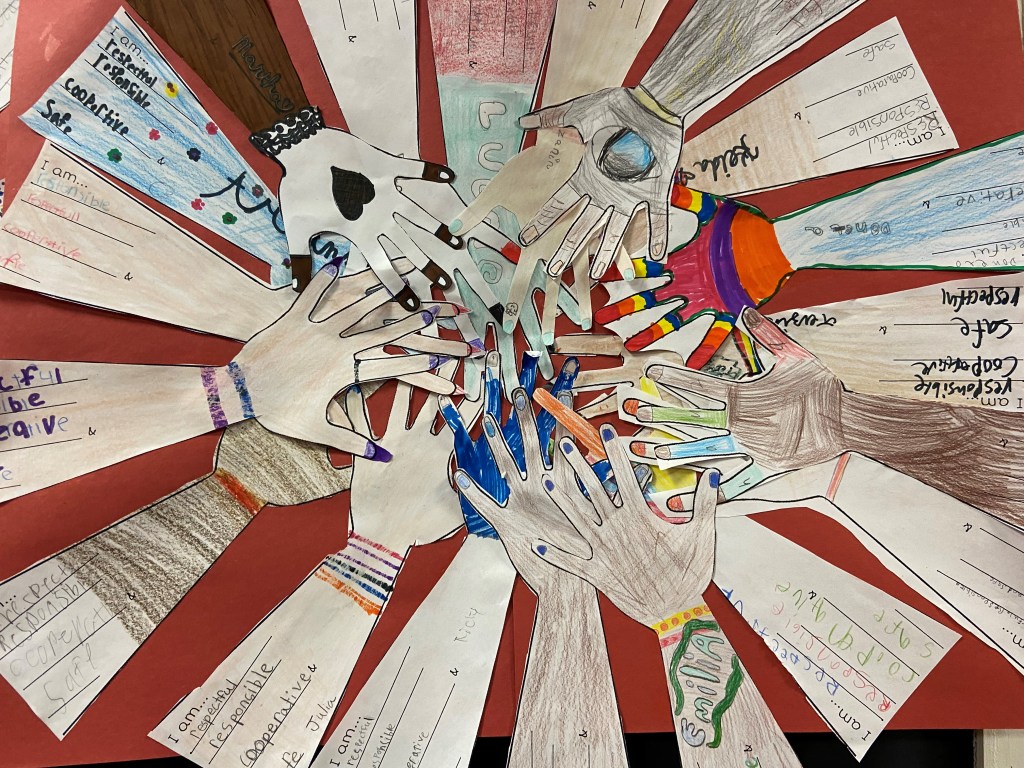
PBIS is a nationally recognized, evidence-based framework designed to create positive school climates by teaching and reinforcing clear behavioral expectations. It helps schools to improve student behavior, promote academic success, and build supportive environments where all students feel safe, respected, and empowered to thrive. To learn more about PBIS in Maine, visit the Maine DOE website.
This article was developed in collaboration with Portland Public Schools and the Maine PBIS program, a partnership between the Maine DOE Office of Special Services and Inclusive Education and the University of Maine System. This article is part of a series highlighting the successes of Maine schools that are in the process of implementing, or that have implemented, PBIS in their schools. To submit a good news story to the Maine DOE, please fill out the good news submission form.
Related
Legal Disclaimer:
EIN Presswire provides this news content "as is" without warranty of any kind. We do not accept any responsibility or liability for the accuracy, content, images, videos, licenses, completeness, legality, or reliability of the information contained in this article. If you have any complaints or copyright issues related to this article, kindly contact the author above.
